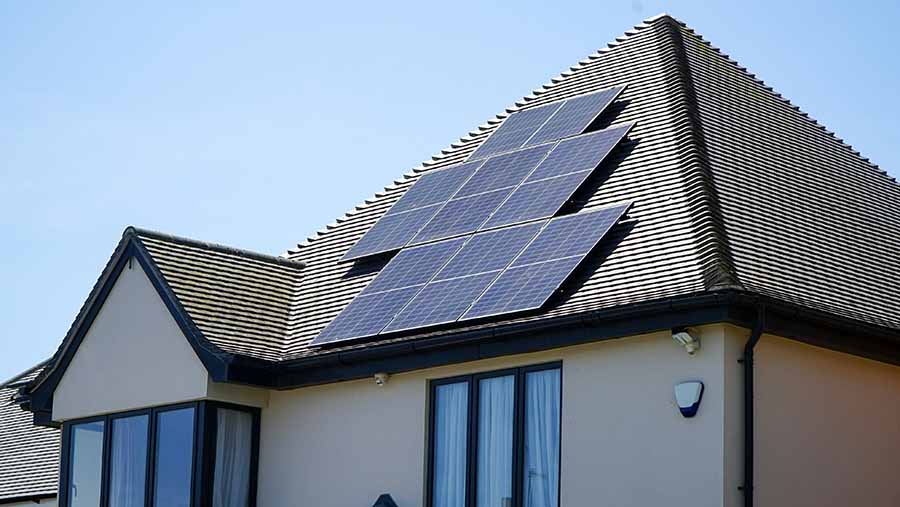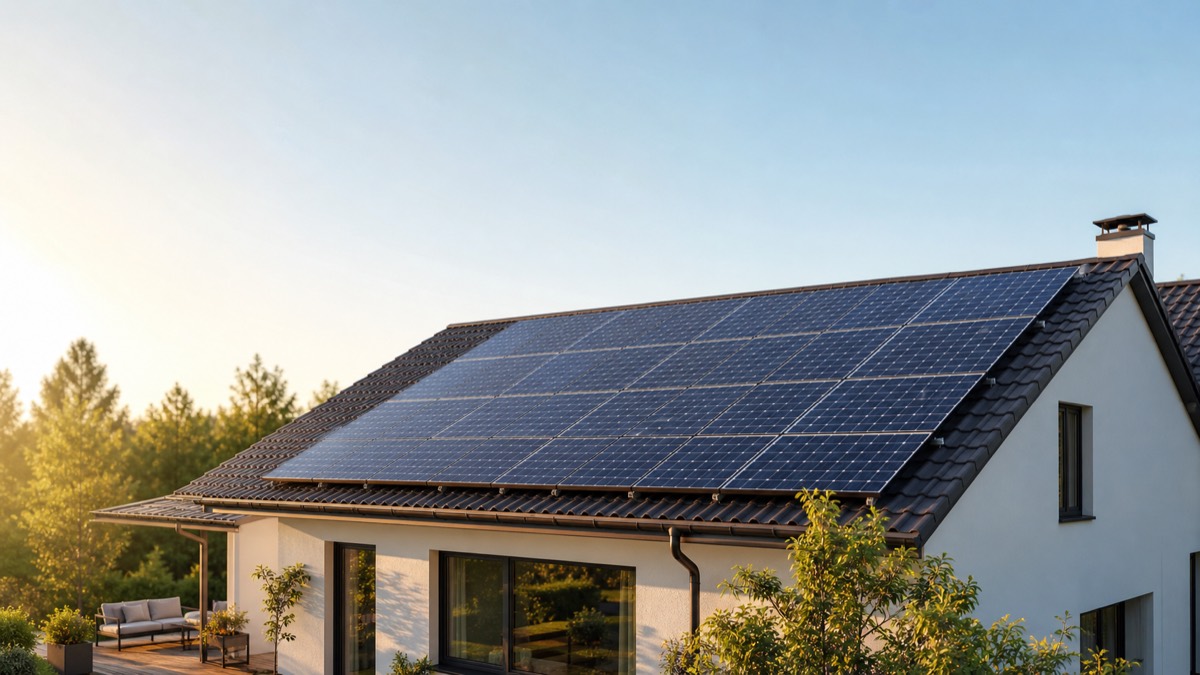
Solar energy is one of the most practical upgrades a homeowner can make, but the best results come from looking at the whole home, not just the panels on the roof. A smart solar setup starts with good system design, continues with everyday energy habits, and becomes even more useful when battery backup is part of the plan.
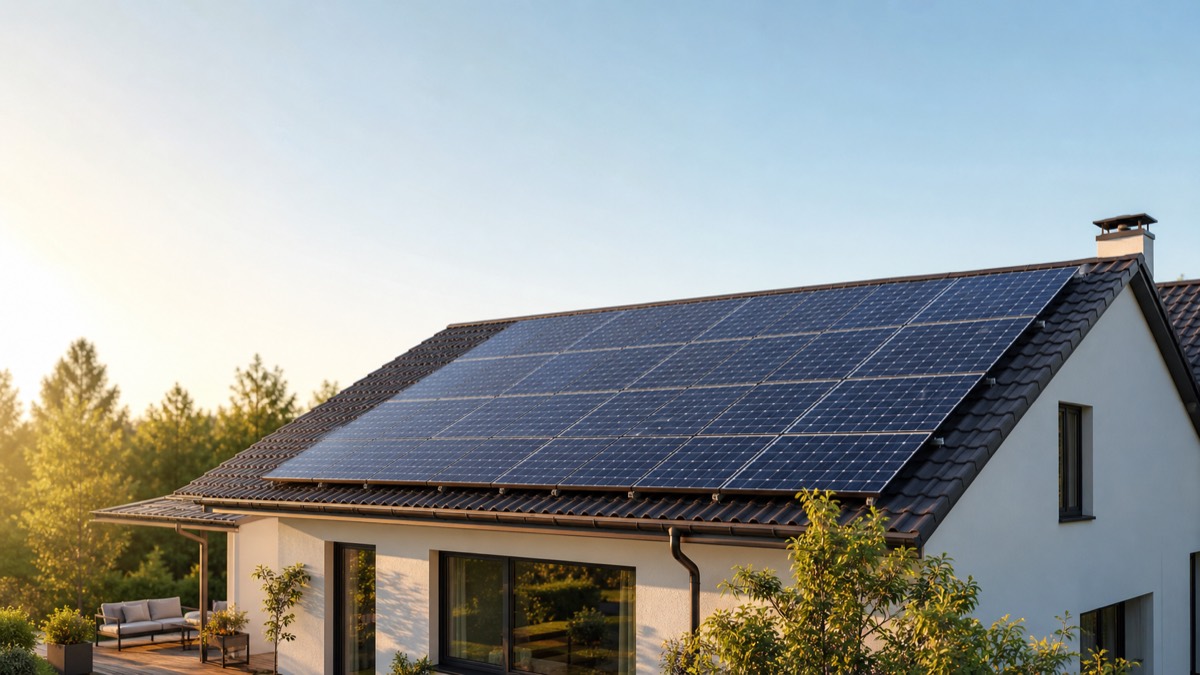
For homeowners who want lower utility bills, more control over rising energy costs, and better protection during outages, this three-part approach is often the most useful place to start.
1. Start With the Right Solar Design
A solar system should be sized around the way the home actually uses power. Roof direction, available sunlight, shade, panel placement, and monthly usage all affect how much energy the system can produce. A quality design helps homeowners avoid two common problems: installing too little solar to make a meaningful difference, or installing more than the home can reasonably use.
Before choosing a system, it helps to review recent electric bills and look for patterns. Higher summer cooling loads, electric water heating, pool pumps, EV charging, and home office equipment can all change the right system size. The goal is not just to add panels. The goal is to build a system that supports the household year after year.
2. Use Energy When Solar Is Working Hardest
Solar panels usually produce the most power during bright daytime hours. That makes timing important. Simple changes, like running laundry, dishwashers, pool pumps, or EV charging during the day, can help a household use more of its own solar production instead of pulling more energy from the grid later.
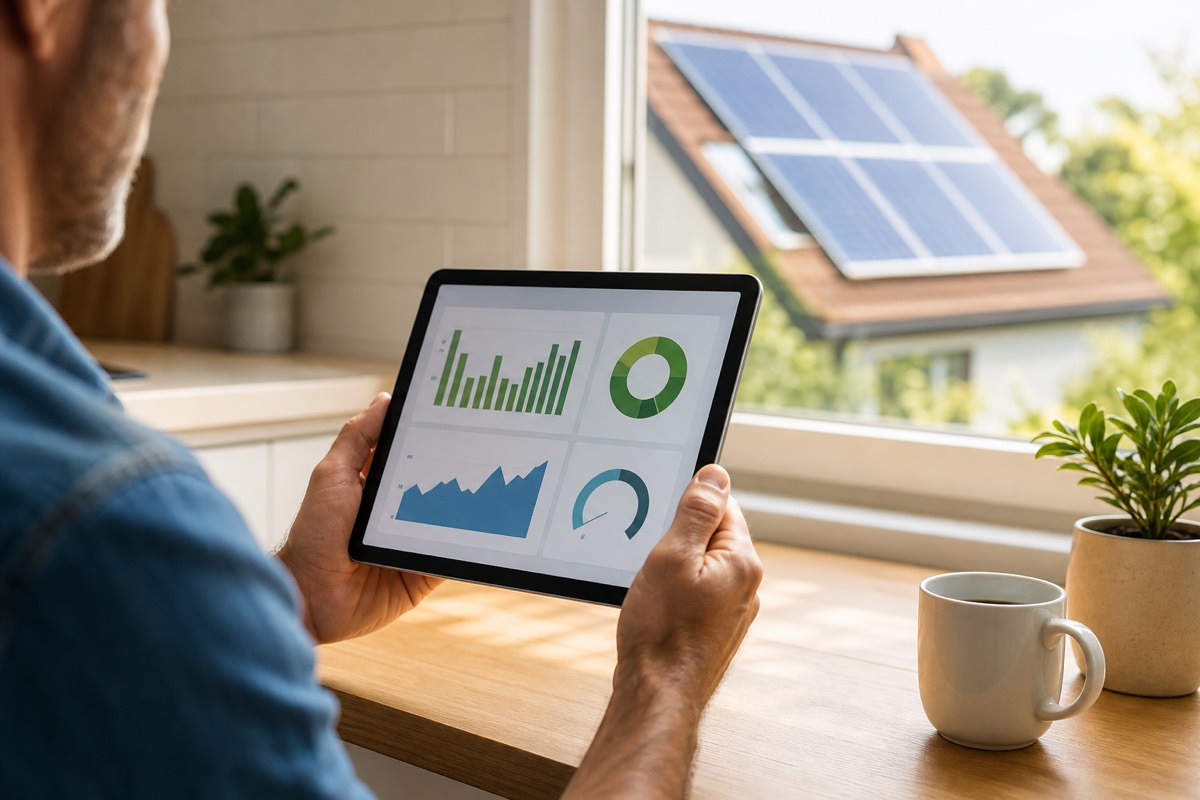
Energy monitoring can make these habits easier. When homeowners can see how much power the home is using and when solar production is strongest, they can make better decisions without guessing. Small adjustments can add up over time, especially in homes with high daytime usage or flexible appliance schedules.
3. Add Battery Backup for More Control
Solar panels are valuable on their own, but battery storage can make the system more flexible. A battery can store extra solar energy for use in the evening, during peak-rate hours, or during certain power outages. For many homeowners, backup power is about peace of mind as much as savings.
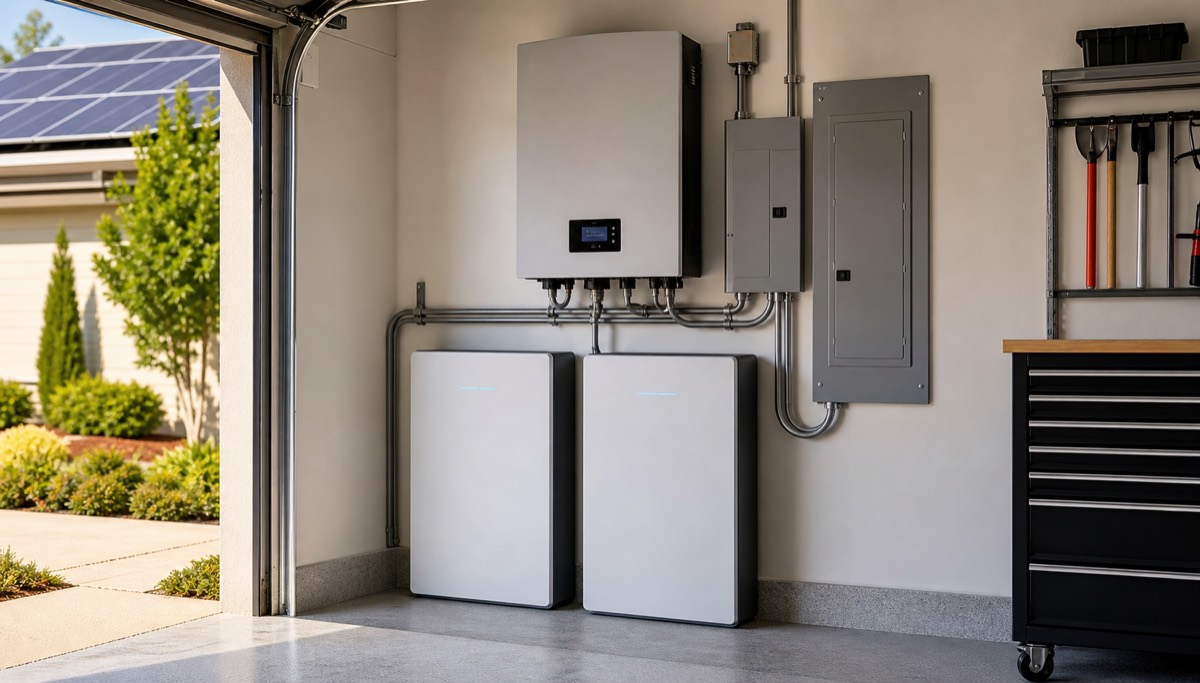
A battery system can be designed to support essential loads such as refrigeration, internet equipment, lights, outlets, medical devices, or selected HVAC equipment. The exact setup depends on the home, the battery capacity, and which circuits are most important during an outage.
What Homeowners Should Ask Before Going Solar
- How much electricity does my home use each month?
- Which parts of my roof get the strongest sunlight?
- Do I want solar mainly for savings, backup power, or both?
- Would a battery help me use more of my own solar energy?
- Which appliances or circuits matter most during an outage?
The best solar plan is the one that fits the home, the family, and the long-term energy goals. With the right design, smart usage habits, and a battery backup strategy when needed, homeowners can get more value from every watt their system produces.
Progressive Solar Energy System SLLC helps homeowners think through these choices and plan solar solutions built for real daily use.